
illness management and recovery pdf
Illness Management and Recovery (IMR) is a structured program helping individuals with mental health conditions develop coping strategies and achieve personal recovery goals through weekly sessions.
1.1 Definition and Overview of IMR
Illness Management and Recovery (IMR) is a structured program designed to help individuals with mental health conditions manage symptoms and achieve recovery goals. It consists of weekly sessions led by trained practitioners, focusing on education, skill-building, and personal goal-setting. The program can be delivered in individual or group formats, lasting several months; IMR emphasizes developing coping strategies, improving daily functioning, and enhancing overall well-being, providing a comprehensive approach to mental health recovery.
1.2 Importance of IMR in Mental Health Care
IMR is crucial in mental health care as it empowers individuals to manage symptoms and achieve recovery goals. By providing education and skill-building, IMR bridges the gap between clinical treatment and daily life, fostering independence and resilience. Its evidence-based approach focuses on personal goal-setting, making it a vital tool for improving mental health outcomes and enhancing quality of life for those with mental health conditions.
Structure of the IMR Program
The IMR program consists of weekly sessions, offered in individual or group formats, designed to help participants develop coping strategies and achieve recovery goals over time.

2.1 Weekly Sessions and Their Objectives
The IMR program features weekly sessions aimed at helping participants develop personal coping strategies and progress toward recovery. These sessions, led by trained practitioners, focus on education, goal-setting, and skill-building. Objectives include enhancing understanding of mental health, improving symptom management, and fostering a sense of control over one’s life. The structured format ensures consistent support, allowing individuals to gradually achieve their recovery goals and integrate into their communities more effectively.
2.2 Individual vs. Group Format: Pros and Cons
The IMR program can be delivered in individual or group formats, each with unique advantages. Individual sessions provide personalized attention and confidentiality, allowing tailored approaches to specific needs. However, they may require more resources. Group formats foster peer support and shared learning experiences, promoting social interaction and reducing isolation. Yet, they may lack the depth of individualized focus. Both formats aim to empower participants but cater to different preferences and circumstances, ensuring flexibility in meeting diverse recovery needs effectively.
2.3 Duration of the Program and Expected Outcomes
The IMR program typically lasts several weeks, with weekly sessions designed to gradually build skills and confidence. Participants learn to manage symptoms, set recovery goals, and develop coping strategies. The expected outcomes include improved mental health management, enhanced personal responsibility, and progress toward individual recovery objectives. The structured duration ensures consistent support, fostering long-term independence and resilience among participants, ultimately aiding them in achieving a more fulfilling and self-directed life.

Benefits of the IMR Program
The IMR program empowers individuals to manage mental health effectively, fostering personal growth, resilience, and a supportive environment for sustained recovery and improved quality of life.
3.1 Development of Personal Coping Strategies
The IMR program equips participants with tailored strategies to manage mental health challenges effectively. Through structured sessions and educational handouts, individuals learn to identify triggers, set realistic goals, and practice techniques to maintain stability. The workbook provides practical tools, enabling participants to develop resilience and take proactive steps toward recovery. These strategies foster independence, enhancing overall well-being and empowering individuals to navigate their health journey confidently.
3.2 Empowerment and Recovery Goals
IMR emphasizes empowerment by helping individuals set and achieve personalized recovery goals. Participants gain confidence in managing their mental health, fostering a sense of control over their lives. The program encourages self-advocacy and independence, aligning activities with individual aspirations. Through goal-setting, participants build motivation and direction, enabling them to pursue meaningful life objectives and sustain long-term recovery. This focus on empowerment is central to the IMR approach, promoting resilience and self-efficacy.
3.3 Creating a Supportive Environment for Recovery
IMR fosters a supportive environment by promoting positive interactions and collaboration between participants and practitioners. Trained practitioners create a non-judgmental space, encouraging open dialogue and mutual respect. This setting helps individuals feel safe to share experiences and challenges, enhancing their engagement in the recovery process. The structured yet flexible format of IMR sessions ensures consistency, providing a reliable foundation for growth. A supportive environment is crucial for building trust and motivation, enabling participants to thrive in their recovery journey.
The Role of Practitioners in IMR
Practitioners guide participants through structured sessions, providing tools and strategies to manage mental health and achieve recovery goals, fostering a supportive and collaborative environment for growth.
4.1 Training and Expertise Required for Practitioners
Practitioners must undergo specialized training to effectively implement IMR, focusing on mental health management and recovery strategies. They utilize the SAMHSA manual and supplementary materials, ensuring they are well-versed in guiding participants through structured sessions. Expertise in facilitating both individual and group formats is essential, along with the ability to adapt materials to meet diverse needs. Ongoing professional development and familiarity with the IMR workbook and handouts are critical for delivering the program successfully.
4.2 Facilitating IMR Sessions Effectively
Facilitating IMR sessions requires a structured approach, ensuring active participation and collaboration. Practitioners use the IMR workbook and handouts to guide discussions, helping participants apply recovery strategies. Creating a supportive environment fosters engagement and trust. Sessions are tailored to individual or group needs, promoting practical skill development. The SAMHSA manual provides detailed instructions, enabling practitioners to deliver sessions effectively and address diverse challenges, ensuring a focus on personal growth and recovery goals.

The IMR Workbook and Supplementary Materials
The IMR workbook offers practical tools and strategies for managing mental health, supported by educational handouts and guides. Supplementary materials enhance learning and recovery journeys.
5.1 Practitioner Guides and Handouts
Practitioner Guides and Handouts are essential tools for implementing the IMR program. Developed to support daily work, these resources include structured materials for leading sessions and educating participants. They are designed to complement the main IMR curriculum, providing clear instructions and practical aids. The guides help practitioners facilitate effective discussions, track progress, and address individual needs. Handouts are tailored to enhance understanding and engagement, ensuring participants can apply recovery strategies in their daily lives. These materials are indispensable for practitioners aiming to deliver the IMR program successfully.
5.2 Educational Handouts for Participants
Educational handouts for participants are designed to provide practical tools and strategies for managing mental health. These materials, often included in the IMR workbook, cover topics like symptom management, recovery goals, and coping techniques. They are tailored to enhance understanding and engagement, helping participants apply recovery strategies in daily life. Supplementary materials, such as worksheets and guides, further support learning and personal growth. These resources empower participants to take an active role in their recovery journey, fostering independence and resilience.
5.3 Supplementary Materials for Enhanced Learning
Supplementary materials, such as worksheets, checklists, and additional guides, complement the IMR workbook, offering practical tools for enhanced learning. These resources help participants apply recovery strategies, track progress, and manage symptoms effectively. They are designed to reinforce key concepts and provide hands-on activities, making the learning experience more engaging and effective. These materials are often available in downloadable formats, such as PDFs, ensuring accessibility and convenience for participants in their recovery journey.

Acknowledgments and Funding Sources
The IMR manual was funded by the Minnesota Department of Human Services and Centers for Medicare and Medicaid Services, with contributions from the Minnesota Center for Chemical and Mental Health.
6.1 Contributions of the Minnesota Center for Chemical and Mental Health
The Minnesota Center for Chemical and Mental Health (MNCAMH) played a pivotal role in developing the IMR manual and workbook. Located within the University of Minnesota’s School of Social Work, MNCAMH collaborated with key stakeholders to create evidence-based resources for mental health practitioners. Their work included funding from the Minnesota Department of Human Services and CMS, ensuring the program’s accessibility. MNCAMH also contributed to the development of Enhanced IMR (E-IMR) and adapted materials for vocational rehabilitation, further expanding IMR’s reach and effectiveness.
6.2 Role of the Minnesota Department of Human Services
The Minnesota Department of Human Services provided critical funding and support for the development of the IMR manual and workbook. Their collaboration with the Minnesota Center for Chemical and Mental Health ensured the program’s accessibility and evidence-based approach. The department’s financial backing enabled the creation of essential resources for practitioners, including handouts and guides. Their contribution was instrumental in integrating IMR into mental health care systems, promoting recovery-focused practices statewide.
6.3 Support from Centers for Medicare and Medicaid Services
The Centers for Medicare and Medicaid Services (CMS) provided essential funding and support for the IMR program. Their contribution facilitated the development of the SAMHSA manual and supplementary materials, ensuring the program’s widespread implementation. CMS’s support enabled the integration of IMR into healthcare systems, making it accessible to individuals with mental health conditions. This collaboration enhanced the program’s reach and effectiveness, aligning with CMS’s mission to improve healthcare outcomes and promote recovery-oriented care.
Implementing the IMR Program
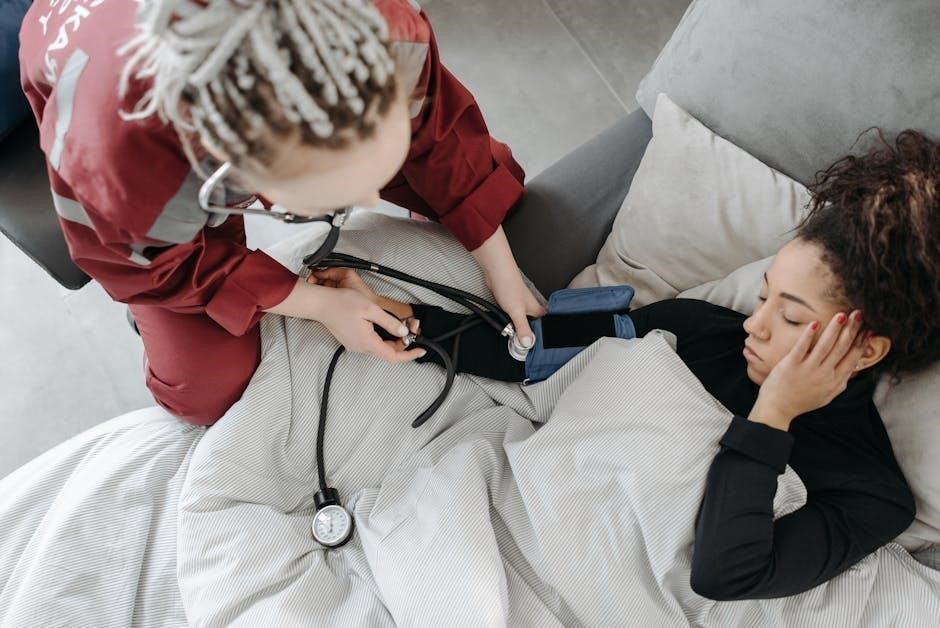
Agencies can adopt IMR by reviewing the SAMHSA manual, which provides instructions and handouts for effective implementation. This ensures a structured approach to helping individuals manage mental health conditions and achieve recovery goals.
7.1 Steps for Agencies to Adopt the IMR Program
Agencies can adopt the IMR program by first reviewing the SAMHSA manual, which provides detailed instructions and handouts. They should ensure staff are trained in IMR principles and practices. Securing funding and resources, such as the IMR workbook and supplementary materials, is essential. Agencies must also establish a structured format, whether individual or group sessions, and monitor progress to ensure effective implementation. Collaboration with mental health experts and continuous evaluation of outcomes will support successful program integration.
7.2 Role of Practitioners in Program Implementation
Practitioners play a crucial role in implementing the IMR program by guiding participants through structured sessions and fostering a supportive environment. They must be trained in IMR principles and use resources like the IMR workbook and handouts effectively. Practitioners facilitate both individual and group formats, ensuring sessions align with recovery goals. Their expertise in mental health and ability to connect with participants are essential for successful program delivery and helping individuals manage their mental health journey effectively.
The SAMHSA Illness Management and Recovery Manual
The SAMHSA IMR manual is a comprehensive guide providing instructions, handouts, and tools for effective program implementation, aiding practitioners and participants in managing mental health recovery.
8.1 Key Features of the SAMHSA IMR Manual
The SAMHSA IMR manual is a comprehensive guide offering detailed instructions, handouts, and tools for implementing the program effectively. It provides evidence-based strategies for managing mental health conditions, focusing on personal recovery goals. The manual includes structured session plans, educational materials, and practical worksheets. It also covers core topics such as symptom management, relapse prevention, and coping skills. Designed for practitioners and participants, it ensures a holistic approach to illness management and recovery, making it an essential resource for mental health care.
8.2 Instructions and Handouts for Effective Implementation

The SAMHSA IMR manual provides clear instructions and handouts to facilitate effective program delivery. It includes structured session plans, educational materials, and practical worksheets. These resources guide practitioners in conducting sessions, ensuring consistency and quality. Handouts for participants cover key topics like symptom management and recovery goals, aiding in their understanding and engagement. The manual also offers tools for tracking progress, making it an invaluable resource for successful IMR implementation in various mental health care settings.
Vocational Illness Management and Recovery (VIMR)
VIMR adapts IMR for vocational rehabilitation, helping individuals with mental health conditions integrate employment strategies into their recovery plans, fostering independence and career growth.
9.1 Adaptation of IMR for Vocational Rehabilitation
Vocational Illness Management and Recovery (VIMR) adapts IMR principles to focus on employment and vocational goals. Developed by Boston University’s Center for Psychiatric Rehabilitation, VIMR integrates strategies for managing mental health while pursuing work. The program emphasizes practical tools and techniques to help individuals balance their health journey with vocational aspirations, fostering independence and personal growth. This adaptation ensures individuals can effectively manage their conditions while achieving career-related recovery goals.
9.2 Contribution of Boston University Center for Psychiatric Rehabilitation
Boston University’s Center for Psychiatric Rehabilitation significantly contributed to IMR by adapting it for vocational rehabilitation. They developed the Vocational Illness Management and Recovery (VIMR) program, focusing on workplace wellness and job retention. Their work, led by experts like Dori Hutchinson and Marianne Farkas, provides practical tools for balancing mental health and employment. This adaptation ensures individuals can manage their conditions while pursuing vocational goals, enhancing overall recovery and independence.

The Importance of the IMR Workbook
The IMR Workbook offers practical tools and strategies, empowering individuals to manage mental health effectively. It provides a structured guide for taking control of one’s recovery journey.
10.1 Practical Tools for Managing Mental Health
The IMR Workbook provides essential tools, such as worksheets and handouts, to help individuals manage mental health effectively. These resources guide users in tracking symptoms, developing coping strategies, and setting recovery goals. Practical exercises empower participants to identify triggers and implement stress management techniques. The workbook also includes educational content to enhance understanding of mental health conditions, fostering a proactive approach to wellness. These tools are designed to be adaptable, ensuring they meet the unique needs of each individual.
10.2 Strategies for Taking Control of Health Journey
The IMR Workbook equips individuals with strategies to take charge of their mental health journey. It emphasizes self-awareness, goal-setting, and problem-solving skills. Participants learn to identify triggers, manage symptoms, and develop resilience. The workbook encourages active participation in treatment and fosters a sense of personal responsibility; By providing clear, actionable steps, it empowers individuals to navigate their recovery path effectively, ensuring they remain proactive in achieving and maintaining their mental wellness goals.

IMR in Different Settings
IMR can be effectively implemented in various settings, including agencies, organizations, and individual or group formats, making it adaptable to diverse mental health care environments.
11.1 Implementing IMR in Agencies and Organizations
Agencies and organizations can effectively implement IMR by following the SAMHSA manual, which provides detailed instructions and handouts. Trained practitioners are essential for leading sessions, ensuring participants receive personalized support. The program’s adaptability allows it to fit various settings, from group formats to individualized care. Supplementary materials, such as workbooks and educational handouts, enhance the implementation process. Regular training and ongoing support for practitioners are crucial for maintaining program fidelity and achieving desired outcomes for mental health recovery.
11.2 IMR in Individual and Group Formats
IMR can be delivered in both individual and group formats, offering flexibility to meet diverse needs. Individual sessions provide personalized attention, allowing tailored strategies for managing mental health. Group formats foster peer support and shared learning experiences, promoting community and mutual encouragement. Both approaches emphasize developing coping strategies and achieving recovery goals, ensuring participants receive effective support regardless of the format chosen. This adaptability makes IMR accessible and impactful for various populations and settings.
The Role of the Practitioner Workbook
The Practitioner Workbook provides essential guidelines and tools for conducting IMR sessions, ensuring effective implementation and support for participants in their recovery journey.
12.1 Guidelines for Conducting IMR Groups
Conducting IMR groups requires creating a supportive environment, encouraging active participation, and using structured activities. Practitioners should facilitate discussions, ensure equal engagement, and provide educational handouts. Regular reviews of the SAMHSA manual and supplementary materials are essential for effective implementation. The workbook offers practical tools to guide sessions, ensuring alignment with recovery goals and fostering a collaborative learning atmosphere.
12.2 Supplements to the Main Workbook
Supplementary materials enhance the IMR program, offering additional resources for practitioners and participants. These include educational handouts, practical tools, and strategies for managing mental health. The SAMHSA manual provides detailed instructions, while digital tools like E-IMR expand accessibility. The IMR Workbook and Educational Handouts are key resources, ensuring a comprehensive approach to recovery. These supplements support personalized learning and empower individuals to take control of their health journey effectively.
IMR and Technology
Enhanced Illness Management and Recovery (E-IMR) integrates digital tools to modernize mental health care, offering innovative approaches for managing symptoms and promoting recovery in a tech-driven era.
13.1 Enhanced Illness Management and Recovery (E-IMR)
Enhanced Illness Management and Recovery (E-IMR) integrates advanced digital tools to improve mental health care. Developed by Gingerich et al. (2018), it offers innovative strategies for symptom management and recovery. E-IMR incorporates technology, such as mobile apps and online platforms, to enhance accessibility and engagement. This approach provides personalized tools for tracking symptoms, setting goals, and accessing resources, empowering individuals to take control of their mental health journey effectively.
13.2 The Role of Digital Tools in Modern IMR Practices
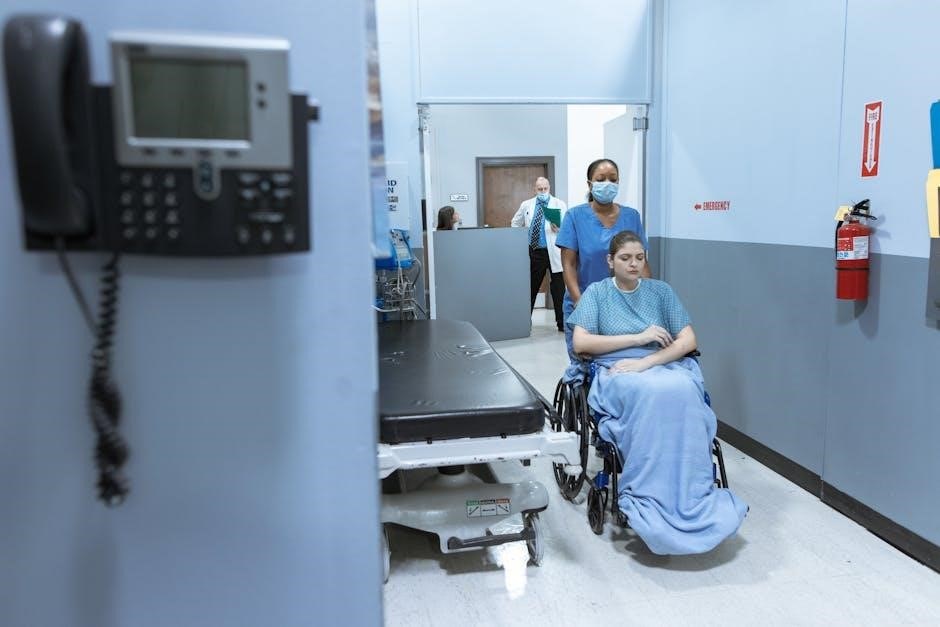
Digital tools play a pivotal role in modern IMR practices by enhancing accessibility and engagement. Mobile apps and online platforms provide individuals with real-time resources for symptom tracking, goal setting, and progress monitoring. These tools also facilitate communication between practitioners and participants, ensuring continuous support. Digital solutions enable personalized care, making it easier for individuals to manage their mental health effectively and achieve recovery goals in a tech-driven era.
The IMR program effectively empowers individuals to manage mental health and achieve recovery goals, supported by comprehensive workbooks and guides, paving the way for future advancements in care.
14.1 Summary of Key Points
IMR is a structured program offering weekly sessions to help individuals manage mental health and achieve recovery goals. Trained practitioners guide participants in developing coping strategies and personal growth; The program is adaptable to individual or group formats, ensuring flexibility in various settings. Workbooks and supplementary materials provide practical tools for both practitioners and participants. Funding and support from organizations like SAMHSA and the Minnesota Department of Human Services highlight its credibility. IMR empowers individuals to take control of their health journey, fostering resilience and recovery.
14.2 Future Directions for IMR
Future directions for IMR include expanding the use of digital tools like Enhanced IMR (E-IMR) to enhance accessibility and engagement. Integrating IMR with vocational rehabilitation programs, such as VIMR, can further support employment goals. Continued funding and support from organizations like SAMHSA and the Minnesota Department of Human Services will be crucial. Additionally, adapting IMR for diverse settings and populations will ensure its reach and effectiveness in promoting mental health recovery and resilience.