
year 7 science test papers with answers pdf free download
Article Plan: Year 7 Science Test Papers with Answers PDF Free Download
This guide details accessing free Year 7 science papers, mirroring resources like CSIR NET & CTET examples, for effective exam preparation and improved scores․
Year 7 science assessments mark a crucial step in a student’s secondary education, building upon primary school foundations․ These evaluations aren’t simply about memorizing facts; they assess a student’s ability to apply scientific principles, analyze data, and think critically․
Typically, these assessments cover a broad spectrum of scientific disciplines – biology, chemistry, and physics – often integrated to reflect real-world applications․ Understanding the format and expectations of these tests is paramount for success․ Just as preparation for exams like the CSIR NET utilizes past papers, Year 7 students benefit immensely from familiarizing themselves with previous assessment questions․
Effective preparation involves more than just studying; it requires practice and a strategic approach, similar to how CTET candidates analyze previous question papers to understand exam patterns․
Why Use Past Papers for Revision?
Utilizing past papers is a cornerstone of effective revision, mirroring strategies employed in competitive exams like CSIR NET and CTET․ They provide invaluable insight into the exam’s structure, question types, and difficulty level․ Exposure to these papers helps students become comfortable with the phrasing of questions and the expected style of answers․
Furthermore, past papers act as a diagnostic tool, highlighting areas where a student needs further study․ By identifying weaknesses, revision can be targeted and efficient․ Like analyzing CTET Social Science papers, understanding recurring themes and concepts is key․
Practicing with timed past papers also builds crucial exam technique, including time management and reducing test anxiety․
Benefits of Free Downloadable Resources
Free downloadable resources, such as Year 7 science papers in PDF format, democratize access to quality revision materials․ This is particularly beneficial for students who may not have the means to purchase expensive revision guides or tutoring․ The availability mirrors the accessibility of past papers for exams like CSIR NET Life Science, aiding self-assessment․
These resources allow for unlimited practice, enabling students to repeatedly test their knowledge and refine their exam technique․ Like utilizing CTET previous year papers, consistent practice builds confidence and familiarity․
Furthermore, free downloads reduce the financial burden on families, promoting equitable access to educational support․
Key Topics Covered in Year 7 Science
Year 7 science curricula typically encompass three core disciplines: Biology, Chemistry, and Physics․ Biology focuses on cells and organisms, exploring life processes and classifications․ Chemistry introduces matter and its properties, covering states of matter, mixtures, and basic chemical reactions․
Physics delves into forces and motion, examining concepts like gravity, friction, and speed․ Past papers, similar to those available for competitive exams like CSIR NET, will assess understanding across these areas․
Expect questions testing knowledge of the human body, plant life, the periodic table, and fundamental physical laws․ Preparation should mirror the comprehensive approach needed for exams like CTET, ensuring a broad understanding․
Biology: Cells and Organisms
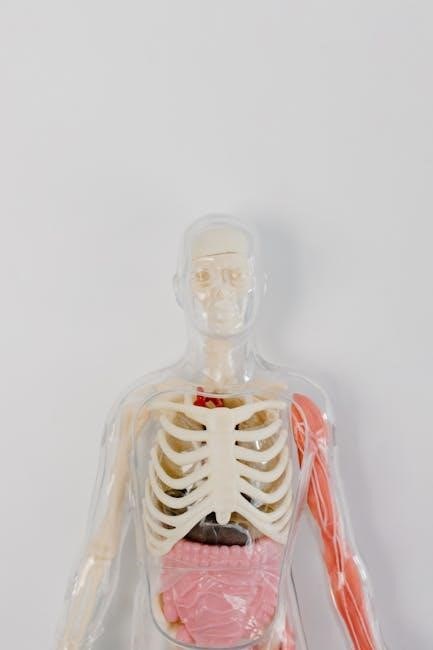
Year 7 biology heavily emphasizes understanding cells as the basic units of life․ Expect questions on cell structure – nucleus, cytoplasm, cell membrane – and their functions․ Organisms are explored through plant and animal life cycles, classifications (kingdoms, phyla), and basic needs for survival․
Past papers will likely test knowledge of photosynthesis, respiration, and the human body systems․ Similar to practice materials for exams like CSIR NET, detailed diagrams and labeling exercises are common․
Understanding food chains, ecosystems, and the importance of biodiversity is crucial․ Effective revision, mirroring CTET preparation, involves applying biological concepts to real-world scenarios․
Chemistry: Matter and its Properties
Year 7 chemistry introduces fundamental concepts of matter – solids, liquids, and gases – and their changing states․ Questions focus on particle theory, explaining how particles behave in different states․ Properties of materials, like density, solubility, and magnetism, are key areas of assessment․
Expect questions on mixtures and separation techniques (filtration, evaporation, distillation), similar to the detailed problem-solving required in CSIR NET exams․ Chemical reactions, including simple acid-base reactions, are also frequently tested․
Understanding the periodic table’s basic structure and common elements is vital․ Like CTET preparation, applying chemical knowledge to everyday life – cooking, cleaning – enhances understanding․
Physics: Forces and Motion
Year 7 physics heavily emphasizes forces – gravity, friction, air resistance – and their effects on motion․ Students learn to describe speed, distance, and time, calculating these using simple formulas․ Understanding balanced and unbalanced forces is crucial, explaining why objects start, stop, or change direction․
Past papers often include questions on Newton’s First Law of Motion (inertia) and practical applications like investigating friction’s impact on stopping distances․ Similar to CSIR NET, problem-solving skills are tested․
Concepts like levers, pulleys, and gears are introduced, requiring students to apply physics to real-world scenarios, mirroring the practical focus of CTET assessments․
Where to Find Year 7 Science Papers Online
Locating free Year 7 science papers requires knowing where to search․ Numerous online platforms offer downloadable resources, though quality varies․ Think of it like finding CSIR NET papers – dedicated educational websites are best․ Start with sites specializing in Key Stage 3 resources, often providing past papers with answer keys․
School websites and teacher-shared resources are invaluable, though access may be limited․ Educational resource platforms frequently curate collections, similar to how CTET papers are archived․ Always verify the source’s credibility before downloading․
A focused Google search using keywords like “Year 7 science past papers PDF” can yield results, but exercise caution․
Websites Offering Free PDF Downloads
Several websites specialize in free PDF downloads of educational materials, including Year 7 science papers․ Educational Resource Platforms like BBC Bitesize and Tes offer practice questions and sometimes full past papers, though complete answer schemes aren’t always available․ Explore websites mirroring the resource availability seen with CSIR NET exam materials․
School Websites & Teacher Resources often host papers, but these are less consistently available․ Look for dedicated Key Stage 3 revision sites․ Remember to check for copyright restrictions before downloading and sharing․ Some platforms require registration, similar to accessing CTET question papers․
Always scan downloaded files for viruses before opening․
Educational Resource Platforms
Platforms like BBC Bitesize provide excellent Year 7 science revision materials, including interactive quizzes and practice questions aligned with the curriculum․ Tes also offers a marketplace where teachers share resources, sometimes including past papers – though availability varies․ These platforms often focus on topic-specific practice, similar to focused CSIR NET preparation materials․
Seneca Learning is another valuable resource, offering free and paid content with a structured learning path․ Khan Academy provides comprehensive science videos and exercises․ While complete, downloadable PDF papers with answers are less common, these platforms build a strong foundation․ Remember to supplement with dedicated past paper searches, mirroring CTET exam preparation strategies․
School Websites & Teacher Resources
Many schools now publish past papers and sample assessments on their websites, often within a secure student or parent portal․ Check your school’s learning platform or virtual learning environment (VLE) for dedicated science resources․ Teachers frequently share materials, including worksheets and test papers, to aid revision – don’t hesitate to ask!
Websites like TopSchoolsintheUK sometimes link to school resources, though direct past paper access is inconsistent․ Consider searching for resources from schools with similar curricula to your own․ This approach mirrors how candidates seek relevant CSIR NET papers․ Remember, availability is often limited, requiring a broader search strategy, akin to finding CTET question sets․
Understanding Different Question Types
Year 7 science tests employ varied question formats to assess understanding․ Multiple Choice Questions (MCQs) test recall and application of knowledge with defined answers․ Short Answer Questions require concise explanations, demanding precise scientific terminology․ Practical Application Questions evaluate the ability to apply concepts to real-world scenarios – a skill honed through practice, similar to CSIR NET’s analytical demands․
Familiarity with each type is crucial․ MCQs benefit from process of elimination; short answers need structured responses․ Practical questions necessitate understanding experimental design․ Analyzing past CTET papers reveals similar question diversity․ Mastering these formats boosts confidence and maximizes scores․
Multiple Choice Questions (MCQs)
Multiple Choice Questions (MCQs) are a staple in Year 7 science assessments, testing core concepts efficiently․ These questions present a stem followed by several answer options, only one of which is correct․ Effective strategies include reading the question carefully, eliminating obviously incorrect answers, and considering each option’s scientific validity․
Don’t spend too long on any single MCQ; flag it and return later if unsure․ Practice with past papers, like those available for CSIR NET, builds speed and accuracy․ Understanding common distractors – plausible but incorrect answers – is key․ MCQs assess both knowledge and the ability to apply it, mirroring the analytical skills tested in exams like CTET․
Short Answer Questions
Short answer questions in Year 7 science require concise, focused responses, demonstrating understanding beyond simple recall․ Unlike MCQs, they demand students articulate scientific concepts in their own words․ Effective answers are direct, addressing the question fully without unnecessary detail․ Practice structuring responses logically – state the point, elaborate briefly, and provide supporting evidence if applicable․
Reviewing past papers, similar to preparation for exams like CSIR NET or CTET, reveals common question types and expected answer length․ Pay attention to command words (e․g․, ‘explain’, ‘describe’, ‘identify’) as they dictate the required response․ Clarity and precision are crucial; avoid ambiguity and ensure scientific terminology is used correctly․
Practical Application Questions
Practical application questions assess a student’s ability to connect scientific knowledge to real-world scenarios, moving beyond theoretical understanding․ These questions often present a problem or situation requiring a scientific solution, mirroring challenges faced in fields like those assessed by CSIR NET․ Answers should demonstrate logical reasoning, outlining the steps involved in applying scientific principles․
Preparation involves understanding experimental procedures and interpreting data – skills honed through practice with past papers․ Like CTET exam questions, these may require explaining why a particular method is used or predicting outcomes based on given information․ Focus on clarity and justification; simply stating an answer isn’t enough – explain how you arrived at it․

How to Effectively Use Past Papers
Effective utilization of Year 7 science past papers goes beyond simply completing them; it’s about strategic revision․ Begin by simulating exam conditions – timed practice without distractions – mirroring the pressure of tests like the CSIR NET․ After completion, meticulously review your answers against the provided answer schemes, identifying areas of weakness․
Don’t just focus on correct answers; analyze why you made mistakes․ Were they due to a lack of understanding, careless errors, or time management issues? Like preparing for the CTET, consistent practice builds confidence and familiarity with question types․ Use these insights to target your revision, focusing on specific topics needing improvement․
Analyzing Answer Schemes & Mark Allocation
Understanding answer schemes is crucial, going beyond simply checking for a ‘right’ or ‘wrong’ answer․ Detailed schemes, similar to those found in CSIR NET exam papers, reveal the specific points examiners look for․ Pay close attention to mark allocation; a question worth three marks requires a more comprehensive answer than one worth one․
Analyze how marks are distributed – is it for identifying concepts, applying knowledge, or explaining reasoning? Like CTET papers, some questions may reward partial credit for demonstrating understanding, even if the final answer isn’t perfect․ Use this knowledge to structure your responses, ensuring you address all aspects of the question to maximize your score․
Common Mistakes to Avoid in Year 7 Science Tests
Many students lose marks due to easily avoidable errors․ A frequent mistake is not reading the question carefully, leading to answers that don’t fully address the prompt – a pitfall seen in exams like the CTET․ Failing to show your working in calculations, even if the final answer is correct, can result in lost marks․ Units are vital; omitting them is a common error․
Avoid simply memorizing facts; science requires understanding and application, much like the problem-solving skills tested in CSIR NET․ Don’t assume knowledge; always explain your reasoning․ Poor time management also leads to rushed, inaccurate answers․ Practice with past papers helps identify and correct these tendencies․
Importance of Time Management During Exams
Effective time management is crucial for success in Year 7 Science tests․ Students often struggle to complete papers within the allotted time, impacting their scores․ Prioritize questions; tackle easier ones first to secure quick marks, similar to strategies used in competitive exams like CSIR NET․
Allocate time per question based on its mark value․ Avoid spending too long on a single problem; move on and return later if time permits․ Practice with past papers – utilizing resources mirroring CTET exam formats – builds pacing skills․ Regularly check the clock during the exam․ A well-planned approach reduces stress and maximizes attempted questions․
Utilizing Past Papers for Targeted Revision
Past papers are invaluable for focused Year 7 Science revision․ Instead of broad studying, identify weak areas through paper analysis – a technique mirrored in CSIR NET preparation․ Focus on question types consistently missed, like practical application questions․
Download and solve papers from various sources, similar to CTET exam resource gathering․ Analyze answer schemes to understand expected responses and mark allocation․ Create a revision schedule targeting specific topics based on performance․ Regularly review previously attempted papers to reinforce learning․ This targeted approach maximizes efficiency and boosts confidence․
Similar Exams & Relevant Past Papers (CTET, CSIR NET ─ as examples of exam paper availability)
Understanding exam structures aids preparation․ Like the national-level CSIR NET Life Science exam, accessible via previous year question papers in PDF format, Year 7 Science follows a structured assessment․ Similarly, CTET Social Science past papers offer insight into question styles and difficulty levels․
Exploring these resources demonstrates a pattern: past papers are readily available online․ Websites dedicated to educational resources often host these materials․ Utilizing these examples – even from different levels – sharpens test-taking skills․ Familiarity with varied question formats builds confidence and improves performance, mirroring successful strategies for competitive exams․
Legal Considerations & Copyright of Past Papers
Accessing Year 7 science papers requires awareness of copyright․ While many resources offer free PDF downloads, understanding usage rights is crucial․ Generally, past papers are intended for personal revision, not commercial distribution or resale․
School and examination board websites typically outline permitted uses․ Unauthorized sharing or modification may infringe copyright laws․ Respecting intellectual property ensures continued access to these valuable resources․ Always check the source’s terms of service before downloading or distributing materials․ Ethical use supports the availability of free educational content for all students․
Preparing for Practical Science Exams
Practical exams demand a different approach than theory-based tests․ While past papers focus on knowledge recall, practical assessments evaluate skills and application․ Review lab procedures thoroughly, understanding safety protocols and expected observations․
Practice setting up experiments and recording data accurately․ Familiarize yourself with equipment and potential error sources․ Past practical exam questions (if available) offer valuable insight into the exam format․ Focus on analyzing results and drawing logical conclusions․ Like CSIR NET preparation, practicals require consistent practice and a strong understanding of scientific methodology․
Resources for Additional Science Support
Beyond past papers, numerous resources bolster Year 7 science understanding․ Educational websites offer interactive simulations and explanatory videos, clarifying complex concepts․ Online tutoring platforms provide personalized support, addressing specific learning gaps․ Textbooks and workbooks remain valuable for reinforcing classroom learning․
Consider science-focused YouTube channels for engaging explanations․ Similar to CTET study materials, supplementary resources should align with the curriculum․ Explore science museums (virtually or in person) for hands-on learning․ Don’t hesitate to ask teachers for extra help or recommended materials․ Consistent engagement with diverse resources maximizes comprehension․
Mobile Apps for Science Revision
Numerous mobile applications cater to Year 7 science revision, offering convenient learning on-the-go․ Quizlet allows creating and using flashcards for key terms, similar to practicing with CSIR NET question banks․ Khan Academy provides free video lessons and practice exercises covering a wide range of science topics․
BBC Bitesize offers concise revision materials aligned with the UK curriculum․ Photomath can assist with solving science equations․ Consider apps with interactive simulations to visualize concepts․ Like CTET preparation apps, look for features like progress tracking and personalized learning paths․ Regular, short revision sessions using these apps can significantly improve retention․
Maximizing Your Year 7 Science Score
Successfully navigating Year 7 science requires consistent effort and strategic revision․ Utilizing freely available past papers – mirroring the approach for exams like CSIR NET and CTET – is crucial․ Focus on understanding concepts, not just memorizing answers․ Analyze answer schemes carefully to identify areas for improvement․
Combine past paper practice with mobile app revision and targeted study of key topics․ Effective time management during exams is paramount․ Remember to address common mistakes and seek additional support when needed․ By embracing these strategies, you can confidently maximize your Year 7 science score and build a strong foundation for future learning․