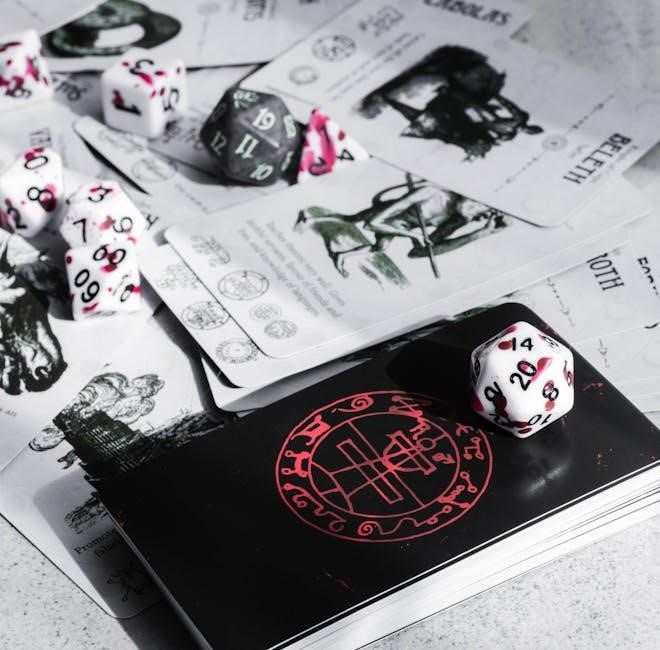
d and d dungeon master guide pdf
D&D Dungeon Master Guide PDF: A Comprehensive Overview (Updated 03/31/2026)
Today, March 31st, 2026, numerous online resources offer the Dungeon Master’s Guide in PDF format, including options from Google Drive and sites like OceanofPDF․
What is the Dungeon Master’s Guide?
The Dungeon Master’s Guide (DMG) is a foundational rulebook for Dungeons & Dragons, serving as an essential resource for those assuming the role of the game’s narrator and world architect․
Available in PDF format through various online sources – including archives like Internet Archive and platforms like OceanofPDF – the DMG provides guidance beyond core character creation and combat rules․ It details worldbuilding, adventure design, and managing gameplay․
The 5th Edition version, frequently sought after as a downloadable PDF, contains detailed sections on creating campaign settings, developing pantheons, and designing unique cultures․ It also includes extensive information on settlements, with a dedicated section covering 109 settlements, and inspiration for Dungeon Masters․
The Importance of the DMG for D&D 5th Edition
The Dungeon Master’s Guide is critically important for 5th Edition Dungeons & Dragons, expanding upon the core rules presented in the Player’s Handbook and Monster Manual․
Its PDF version, readily available online, empowers Dungeon Masters to craft immersive and engaging campaigns․ It provides the tools for consistent worldbuilding, ensuring a cohesive narrative experience․
The DMG offers guidance on adapting existing adventures and designing challenging combat encounters, crucial for experienced DMs․ Even veterans with extensive experience, like those with years in AD&D 2nd Edition, find its resources valuable․ Access to a PDF allows for quick reference to sections like the 109 settlements detailed within, streamlining game preparation․
Where to Find Official & Legal PDFs
Obtaining official and legal Dungeon Master’s Guide PDFs is crucial to support Wizards of the Coast and avoid potential risks․ Currently, direct links to legally downloadable PDFs are limited, requiring purchase through official channels․
Digital storefronts like D&D Beyond, Roll20, and the Wizards of the Coast website itself are the primary sources․ These platforms offer licensed PDFs, ensuring quality and adherence to copyright laws․
Beware of unofficial sources like Google Drive links and OceanofPDF, as these often host pirated content․ While readily accessible, these PDFs may contain malware or inaccurate information․ Prioritize legitimate purchases to guarantee a safe and reliable gaming experience․
Unofficial PDF Sources & Associated Risks
Numerous unofficial sources distribute the Dungeon Master’s Guide PDF, including Reddit’s r/BookPiracy, Internet Archive, and websites like OceanofPDF․ However, accessing these PDFs carries significant risks․ These sources frequently host pirated materials, violating copyright laws and potentially exposing users to malware․
Downloaded files may contain viruses, trojans, or other malicious software, compromising your device and personal information․ Furthermore, unofficial PDFs often lack quality control, featuring errors, missing pages, or misleading content․
The Internet Archive notes potential issues like misinformation and inaccurate metadata․ Supporting official channels protects creators and ensures a safe, reliable gaming experience․
Core Content of the Dungeon Master’s Guide

The DMG details worlds, DM responsibilities, and game running, including 109 settlements and inspiration found in Appendix D, as outlined in available PDFs․
Chapter 1: Worlds
Chapter 1 of the Dungeon Master’s Guide focuses intensely on worldbuilding, a cornerstone of any successful Dungeons & Dragons campaign․ PDF versions readily available online detail the creation of immersive and believable settings․ This foundational chapter guides Dungeon Masters through developing unique cosmologies, exploring diverse planes of existence, and establishing the fundamental rules governing their campaign world․
It provides frameworks for defining geographical features, climates, and the history that shapes the land․ The guide emphasizes the importance of consistency and internal logic within the world, ensuring a cohesive experience for players․ Resources within the PDF also touch upon the influence of deities and powerful entities on the world’s structure and events, laying the groundwork for compelling narratives․
Chapter 2: Dungeon Master Responsibilities
Chapter 2 of the Dungeon Master’s Guide, accessible in numerous PDF formats online, meticulously outlines the multifaceted role of the DM․ It details responsibilities extending far beyond simply knowing the rules; it’s about crafting engaging narratives, mediating conflicts, and ensuring a fun experience for all players․ The guide emphasizes adaptability and improvisation, acknowledging that campaigns rarely unfold as initially planned․
PDF versions highlight the importance of fair play, consistent rulings, and maintaining the game’s momentum․ It delves into techniques for effective storytelling, character portrayal, and managing player agency․ Furthermore, it addresses the DM’s role in balancing encounters, awarding experience, and fostering a collaborative environment, crucial for a thriving campaign․
Chapter 3: Running the Game
Chapter 3, found within the widely available Dungeon Master’s Guide PDFs, provides practical guidance on the mechanics of gameplay․ It covers everything from adjudicating rules disputes to managing combat encounters and pacing the overall adventure․ The guide stresses the importance of clear communication and descriptive language to immerse players in the game world․
PDF versions detail techniques for handling player actions, resolving conflicts, and utilizing random encounter tables to add unexpected challenges․ It also offers advice on creating compelling non-player characters (NPCs) and managing their interactions with the party․ Ultimately, this chapter equips DMs with the tools to confidently and effectively run a dynamic and engaging Dungeons & Dragons session․

Key Sections for Worldbuilding
The Dungeon Master’s Guide PDF details creating campaign settings, developing pantheons, and designing unique cultures for immersive worlds, as outlined within its pages․
Creating Campaign Settings
The Dungeon Master’s Guide PDF provides extensive guidance for crafting compelling campaign settings․ It encourages Dungeon Masters to move beyond pre-made worlds and build their own, tailored to specific narratives and player preferences․
This section delves into establishing the fundamental elements of a setting – its cosmology, geographical features, history, and prevailing societal structures․ The guide doesn’t prescribe a single approach, instead offering tools and prompts to inspire creativity․
DMs can leverage the PDF’s resources to define the power structures, dominant races, and key conflicts that shape the world․ It emphasizes the importance of a cohesive setting, where elements interlock to create a believable and engaging experience for players․ Ultimately, the goal is to build a world that feels alive and responsive to player actions․
Developing Pantheons and Religions
The Dungeon Master’s Guide PDF dedicates significant space to constructing believable and impactful pantheons and religions within your campaign setting․ It stresses that deities shouldn’t simply be sources of power, but rather active forces shaping the world and influencing events․
The guide encourages DMs to consider the relationships between gods – alliances, rivalries, and hierarchies – and how these dynamics manifest in the mortal realm․ It provides frameworks for defining dogma, rituals, and the roles of clergy․
Furthermore, the PDF emphasizes the importance of integrating religion into the everyday lives of characters and communities, influencing laws, customs, and even architecture․ A well-developed religious system adds depth and complexity, enriching the overall narrative and providing compelling roleplaying opportunities․
Designing Unique Cultures
The Dungeon Master’s Guide PDF offers invaluable guidance on crafting distinct and immersive cultures for your D&D world․ It moves beyond simple stereotypes, advocating for nuanced societies with internal consistency and believable traditions․
The guide encourages DMs to consider factors like geography, history, and resource availability when shaping a culture’s values, social structures, and artistic expressions․ It emphasizes the importance of defining unique customs, languages, and belief systems․
Furthermore, the PDF suggests exploring cultural conflicts and tensions, adding layers of complexity and realism․ A thoughtfully designed culture isn’t static; it evolves and adapts, providing rich opportunities for player interaction and compelling storytelling within the campaign․

Essential Tools for Dungeon Masters
The Dungeon Master’s Guide PDF provides crucial tools like random encounter tables, treasure generation aids, and magic item creation guidelines for immersive gameplay․
Random Encounter Tables
The Dungeon Master’s Guide PDF is invaluable for populating game worlds with spontaneous events using detailed random encounter tables․ These tables, a core component for DMs, inject unpredictability and realism into adventures․
They allow for quick generation of creatures, NPCs, and situations appropriate to the environment – forests, dungeons, or urban settings – enhancing the dynamic nature of gameplay․
DMs can customize these tables or create their own, tailoring encounters to the specific campaign and player level․ Utilizing these tables reduces preparation time and ensures that even off-the-beaten-path exploration feels rewarding and engaging, fostering a truly immersive experience for all players involved․
Treasure Generation & Hoards
The Dungeon Master’s Guide PDF provides comprehensive guidelines for crafting rewarding treasure and realistic hoards․ It moves beyond simply listing gold pieces, offering nuanced systems for determining appropriate loot based on monster challenge rating and campaign progression․
DMs can utilize tables and formulas to generate varied treasure, including coins, gems, art objects, and, crucially, magic items․ The guide details how to create believable hoards, considering the creature’s intelligence, lifestyle, and lair environment․
This ensures that treasure feels earned and integrated into the world, rather than a random reward, enhancing player motivation and immersion within the game’s narrative․
Magic Item Creation Guidelines
The Dungeon Master’s Guide PDF dedicates significant space to crafting unique magic items, moving beyond pre-defined lists․ It outlines methods for determining rarity, attunement requirements, and the overall power level of items appropriate for the party’s advancement․
DMs can leverage guidelines to create both minor and major magic items, customizing effects and properties to fit the campaign’s lore and themes․ The guide encourages originality, offering frameworks for inventing new enchantments and magical properties․
This section empowers DMs to populate their worlds with truly memorable artifacts, enhancing the sense of discovery and rewarding player exploration․

Advanced Rules & Concepts
The Dungeon Master’s Guide PDF details variant rules for character creation, adapting adventures, and designing challenging combat, enriching gameplay experiences․
Variant Rules for Character Creation

The Dungeon Master’s Guide PDF provides Dungeon Masters with tools to customize character creation beyond the standard 5th Edition rules․ These variants allow for a more tailored experience, catering to specific campaign settings or player preferences․
Options include alternative ability score generation methods, moving away from the typical standard array or point buy systems․ The guide explores different approaches to backgrounds, offering ways to deepen character history and connections to the world․ Furthermore, it details variant rules for races and classes, allowing for unique character builds and playstyles․
These rules empower DMs to introduce complexity or simplicity, fostering a collaborative storytelling environment and ensuring player agency in shaping their characters․
Adapting Existing Adventures
The Dungeon Master’s Guide PDF is invaluable for Dungeon Masters seeking to modify pre-written adventures․ It acknowledges that published modules aren’t always a perfect fit for every campaign or group dynamic․ The guide provides frameworks for seamlessly integrating existing content into a homebrew world or adjusting the difficulty to match player experience;
DMs can leverage the guide’s advice on scaling encounters, modifying NPC motivations, and altering plot points to create a unique narrative․ It encourages thoughtful consideration of the adventure’s core themes and how they align with the overall campaign arc․
Ultimately, the DMG empowers DMs to transform published adventures into personalized experiences, ensuring a compelling and engaging game for all players․
Designing Challenging Combat Encounters
The Dungeon Master’s Guide PDF offers extensive guidance on crafting engaging and appropriately challenging combat encounters․ It moves beyond simply throwing monsters at players, emphasizing the importance of tactical considerations and dynamic environments․ The guide details methods for calculating encounter difficulty based on party level and size, ensuring a balanced experience․
DMs can utilize the DMG’s resources to create encounters that test players’ strategic thinking, resource management, and teamwork․ It encourages incorporating varied terrain, environmental hazards, and unique monster abilities to elevate combat beyond simple hit-point attrition․
The guide stresses that a truly challenging encounter isn’t necessarily a difficult one, but a memorable and rewarding experience․
Settlements and Urban Environments
The Dungeon Master’s Guide PDF details 109 settlements, offering mapping guidance and urban encounter ideas for immersive city-based adventures․
Detailed Settlement Information (109 Settlements)
The Dungeon Master’s Guide PDF provides extensive details on a remarkable 109 distinct settlements, offering Dungeon Masters a wealth of pre-built locations to integrate into their campaigns․ This comprehensive collection moves beyond simple town names, delving into potential histories, key figures, economic drivers, and prevailing social structures within each settlement․
These detailed descriptions serve as excellent starting points, allowing DMs to quickly populate their worlds with believable and engaging locales․ Furthermore, the guide encourages customization; DMs are empowered to modify these settlements to perfectly align with their unique campaign settings and narratives․ The sheer volume of settlements included significantly reduces the preparation time required for urban-focused adventures, fostering creativity and streamlining gameplay․
This section is a cornerstone for worldbuilding, providing a robust foundation for crafting dynamic and memorable urban experiences․
Mapping a Settlement
The Dungeon Master’s Guide PDF doesn’t just detail settlements; it also provides guidance on effectively mapping them․ While not offering pre-made maps for all 109 settlements, the guide equips DMs with the tools and considerations necessary to create their own detailed urban layouts․ This includes advice on representing key landmarks, districts, and infrastructure within a settlement’s boundaries․
DMs are encouraged to think beyond simple grid-based maps, considering factors like natural terrain, historical development, and the flow of traffic․ The guide emphasizes the importance of a well-designed map in enhancing immersion and facilitating dynamic encounters within urban environments․
Effective settlement mapping allows for strategic gameplay and believable world interaction, enriching the overall campaign experience․
Urban Encounter Ideas
The Dungeon Master’s Guide PDF, specifically referencing page 114, provides inspiration for dynamic urban encounters․ Beyond simple street brawls, the guide suggests scenarios involving political intrigue, merchant disputes, and investigations into mysterious occurrences within settlements․ These encounters leverage the unique elements of a city – crowded markets, shadowy alleys, and opulent noble estates․
DMs can utilize the detailed settlement information (covering 109 locations) to tailor encounters to specific locales․ Consider a chase through a bustling marketplace, a clandestine meeting in a tavern, or a confrontation with a corrupt city guard․
The guide encourages weaving encounters into the fabric of the city, making the urban environment a character in itself․

Appendix & Resources
The Dungeon Master’s Guide PDF includes Appendix D for inspiration, a comprehensive index for quick reference, and resources aiding new DMs in campaign creation․
Dungeon Master Inspiration (Appendix D)
Appendix D of the Dungeon Master’s Guide PDF serves as a vital resource, brimming with creative prompts and ideas to overcome common DM challenges․ This section, found within the comprehensive 317-page document, is designed to spark imagination and enhance storytelling capabilities․
It offers a diverse collection of tables and suggestions, covering everything from generating unique non-player characters (NPCs) and intriguing plot hooks to crafting compelling dungeon layouts and memorable encounters․ The appendix aims to alleviate “DM block” and provide readily available material for improvisational gameplay․
Resources within Appendix D are particularly useful for both novice and experienced Dungeon Masters seeking fresh perspectives and inspiration for their campaigns, ensuring dynamic and engaging gaming sessions․
Index for Quick Reference
The Dungeon Master’s Guide PDF culminates in a detailed index, crucial for swiftly locating specific rules, tables, and concepts within the 317-page document․ This feature is invaluable during gameplay, allowing DMs to quickly resolve disputes or access necessary information without disrupting the flow of the session․
The index meticulously lists keywords and topics, cross-referencing them to their corresponding page numbers․ It’s designed for efficient navigation, particularly important given the guide’s extensive content, including details on 109 settlements and various campaign elements․
Whether searching for magic item creation guidelines or variant rules, the index provides a streamlined path to the desired information, enhancing the DM’s preparedness and control․
Resources for New Dungeon Masters
For novice DMs, accessing the Dungeon Master’s Guide PDF unlocks a wealth of support․ Online forums like DD Beyond offer discussions and advice from experienced players, providing a community for learning and problem-solving․ Several PDF sources, including those found on Internet Archive, offer the complete guide for study․
Beginners benefit from exploring the guide’s core content, focusing on chapters detailing DM responsibilities and game running techniques․ Utilizing the index for quick reference is also key․ Remember to be cautious of unofficial sources, prioritizing legitimate PDFs to avoid misinformation․
These resources empower new DMs to confidently create and manage engaging D&D campaigns;

Navigating PDF Versions & Editions
Multiple 5th Edition versions of the Dungeon Master’s Guide PDF exist, with releases spanning 2020, 2024, and beyond, requiring careful source verification;
Differences Between 5th Edition Versions
Navigating the various 5th Edition PDF releases of the Dungeon Master’s Guide requires understanding subtle, yet impactful, changes․ Early versions, like those appearing in late 2020 via the Internet Archive, may lack errata or refinements found in later editions․ The 2024 release, highlighted on Reddit and OceanofPDF, represents a more current iteration, potentially incorporating player feedback and clarifying ambiguous rulings․
These differences aren’t always dramatic, but can affect interpretations of rules, especially concerning treasure generation, magic item creation, and settlement details – the 2020 version details 109 settlements․ Pirated PDFs, unfortunately, often lack version clarity, increasing the risk of using outdated or inaccurate information․ Always prioritize legitimate sources to ensure a consistent and enjoyable gaming experience․
Identifying Legitimate PDF Sources
Securing a legitimate Dungeon Master’s Guide PDF is crucial, avoiding potential legal issues and ensuring access to accurate content․ Official sources include digital storefronts like D&D Beyond, which often offers the guide as part of bundle purchases or subscriptions․ Wizards of the Coast’s website is another reliable, though potentially less direct, avenue for official PDFs․
Be wary of links circulating on forums like Reddit or through unofficial Google Drive shares, as these frequently lead to pirated copies․ Always verify the source’s authenticity before downloading․ Look for watermarks, proper copyright notices, and a consistent file size matching official specifications․ Prioritizing legitimate sources supports the creators and guarantees a quality product․
Potential Issues with Pirated PDFs
Downloading pirated Dungeon Master’s Guide PDFs carries significant risks; Beyond the legal ramifications of copyright infringement, these files often harbor malware, viruses, or misleading content․ Internet Archive notes potential issues like misinformation, inaccurate metadata, and even phishing attempts disguised as legitimate downloads․
Unofficial sources may distribute incomplete, corrupted, or altered versions of the guide, hindering gameplay and potentially introducing errors․ Furthermore, supporting piracy undermines Wizards of the Coast, impacting future D&D development․ Prioritizing legitimate sources ensures a safe, reliable, and legally sound experience, protecting your devices and supporting the game you love․